Cherry Tree Removal in Reno, NV
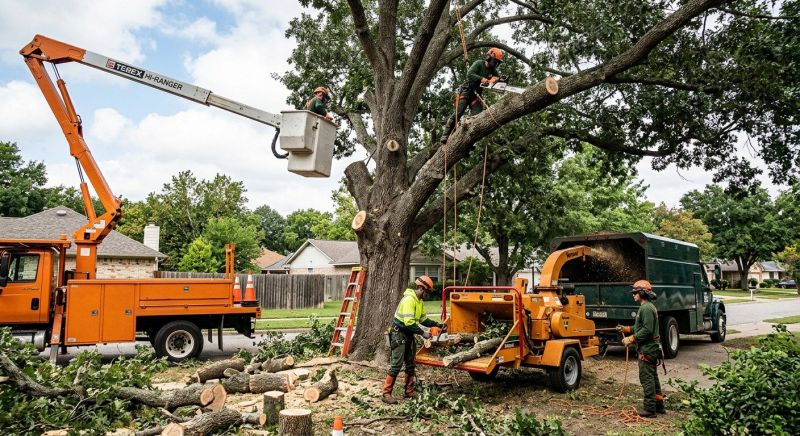
Cherry tree removal services involve the careful and efficient elimination of cherry trees that are dead, diseased, or pose a risk to property or safety. These projects typically include removing entire trees from residential or commercial properties, whether due to structural concerns, space limitations, or aesthetic adjustments. Homeowners often request this service to prevent potential damage from falling branches, to clear space for new landscaping, or to eliminate trees that are no longer healthy and could spread disease to nearby plants.
Before requesting cherry tree removal, property owners should consider factors such as the size and location of the tree, proximity to structures or utility lines, and any permits or regulations that may apply in the area. Understanding the scope of the project helps determine the necessary equipment and planning, ensuring the removal process is safe and effective. It is also useful to know whether stump grinding or removal is desired afterward, as these steps can impact the overall project.
Many property owners in Reno, NV look into Cherry Tree Removal for repairs, replacements, upgrades, and appearance-related improvements.
Reasons For Tree Removal
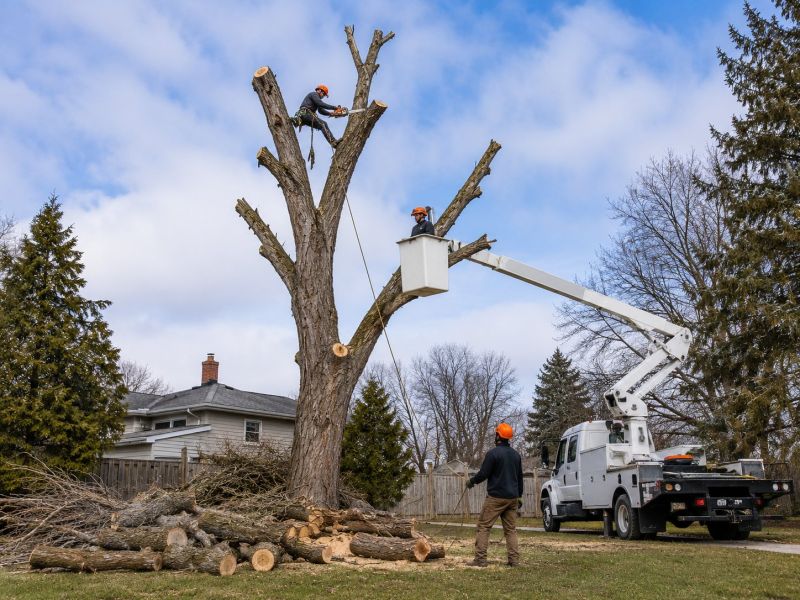
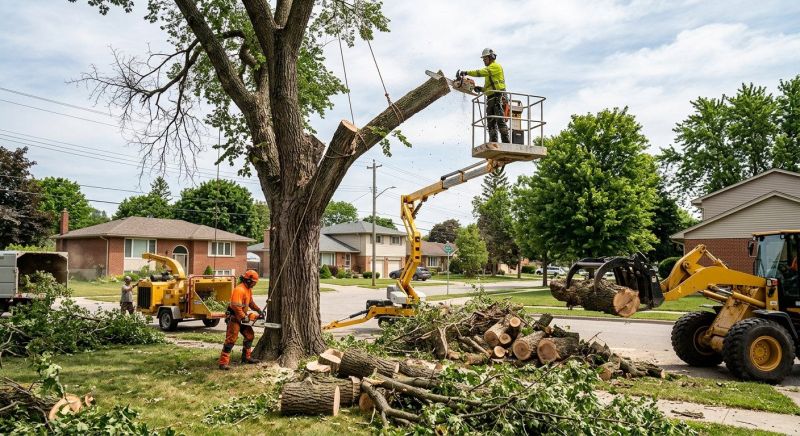
Trees may need removal due to disease, damage, or proximity to structures.
Safety And Property Protection
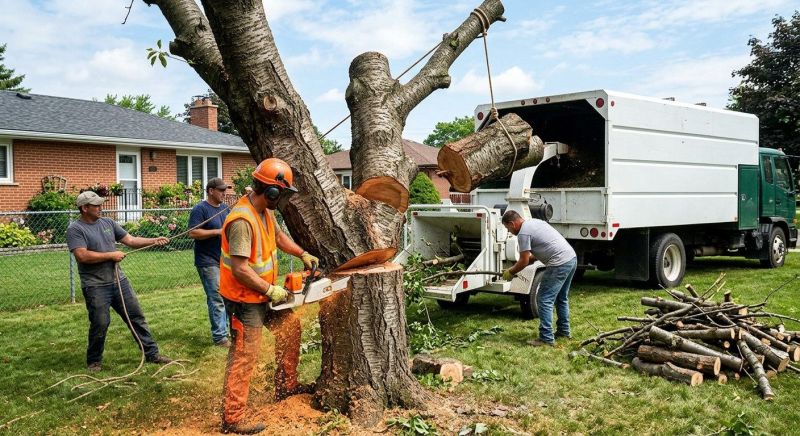
Removing hazardous trees helps prevent property damage and personal injury.
Post-Removal Cleanup
Proper clearing and disposal of tree debris restore the appearance of your landscape.
Cherry Tree Removal in Reno, NV

Cherry tree removal services involve the careful and efficient elimination of cherry trees that are dead, diseased, or pose a risk to property or safety. These projects typically include removing entire trees from residential or commercial properties, whether due to structural concerns, space limitations, or aesthetic adjustments. Homeowners often request this service to prevent potential damage from falling branches, to clear space for new landscaping, or to eliminate trees that are no longer healthy and could spread disease to nearby plants.
Before requesting cherry tree removal, property owners should consider factors such as the size and location of the tree, proximity to structures or utility lines, and any permits or regulations that may apply in the area. Understanding the scope of the project helps determine the necessary equipment and planning, ensuring the removal process is safe and effective. It is also useful to know whether stump grinding or removal is desired afterward, as these steps can impact the overall project.
Many property owners in Reno, NV look into Cherry Tree Removal for repairs, replacements, upgrades, and appearance-related improvements.
Common Cherry Tree Removal Jobs
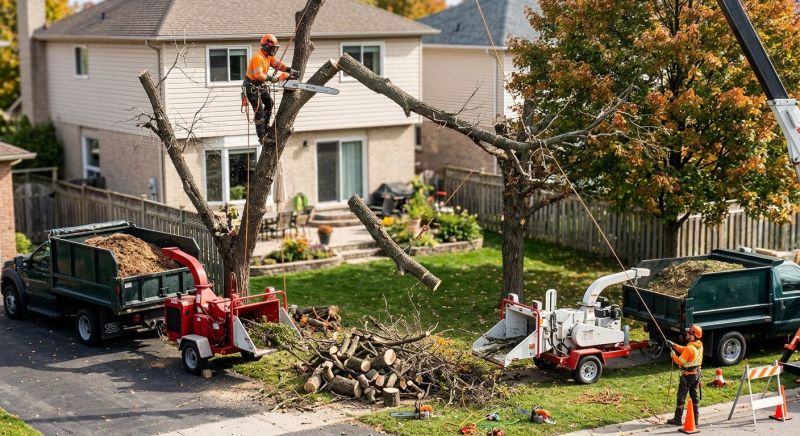
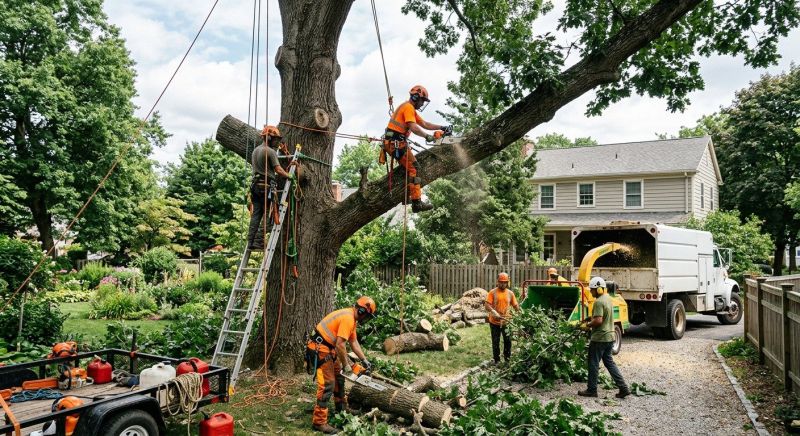
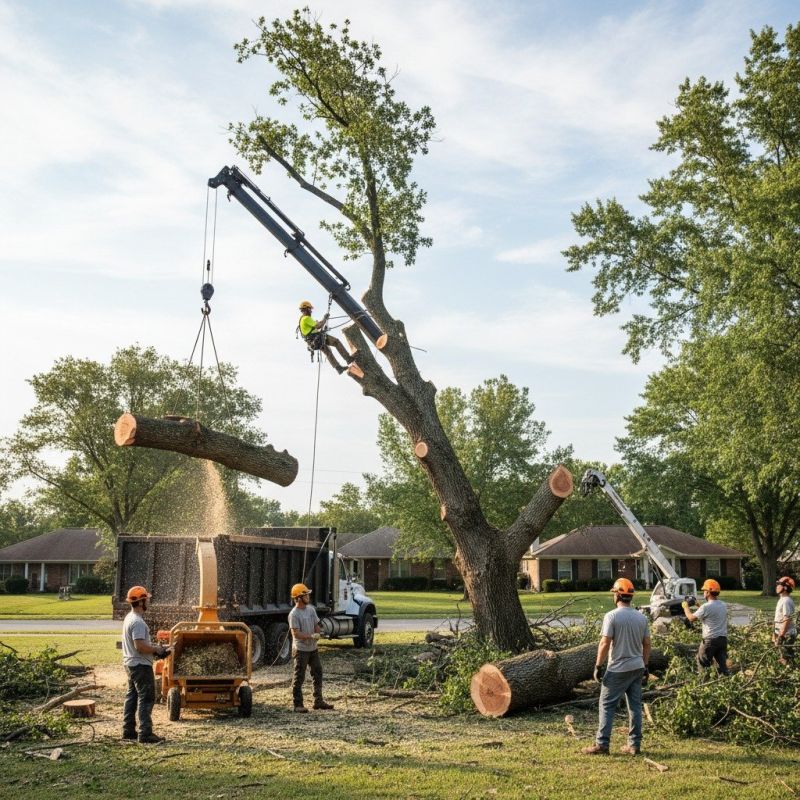
Cherry tree removal - safely eliminates unwanted or hazardous cherry trees from residential properties.
Stump grinding - removes remaining tree stumps to improve yard safety and appearance.
Tree pruning - trims cherry trees to promote healthy growth and prevent damage.
Emergency tree removal - handles urgent situations involving fallen or unstable cherry trees.
Selective tree removal - targets specific cherry trees while preserving surrounding landscape.
Complete tree removal - clears entire cherry trees for renovation or space management projects.
Cherry Tree Removal Questions
When is cherry tree removal necessary? Removal is recommended if the tree is diseased, damaged, or poses a safety risk to nearby structures or people.
How does cherry tree removal impact the landscape? Removing a cherry tree can open up space, improve sunlight exposure, and enhance the overall appearance of the property.
What should property owners consider before removing a cherry tree? It is important to assess the tree’s health, location, and any potential effects on surrounding plants or structures.
Are there alternatives to complete removal? Pruning or trimming may be options if the tree is healthy but requires shape correction or size management.
Request Cherry Tree Removal in Reno, NV
Use the quote form on this page to share the basics of your project and request more information for the type of work you need.